
Zeracar emulsion (Food Grade)
A natural carnauba wax-based solution for coating and protection in the food industry.
In the food industry, particularly for manufacturers of processed fruits and vegetables, confectionery, baked goods, and dairy preserves, product preservation and presentation are critical factors that directly influence shelf life, consumer acceptance, and operational profitability. In short, these operational challenges affect both efficiency and competitiveness in the market.
At Zerachem®, providing solutions for industry is our priority. That is why we developed Zeracar Emulsion (Food Grade), a technical solution aligned with today’s industry demands:
In B2B environments, the selection of food coating must be evaluated based on its overall impact on the operation — including technical performance, process compatibility, regulatory compliance, ease of application, and supplier reliability.
This document explores the properties, applications, and advantages of this carnauba wax-based emulsion, a natural raw material widely recognized for its ability to deliver high-performance finishes across multiple industries.
What is Zeracar?
Zeracar is a food-grade carnauba wax emulsion formulated with an emulsifier approved for food use. Carnauba wax is a naturally derived material obtained from the leaves of the Copernicia prunifera palm, native to Brazil.
This wax is widely valued in the food industry for its ability to provide gloss, hardness, and abrasion resistance, while also acting as a protective barrier against moisture and deterioration [1], [2].
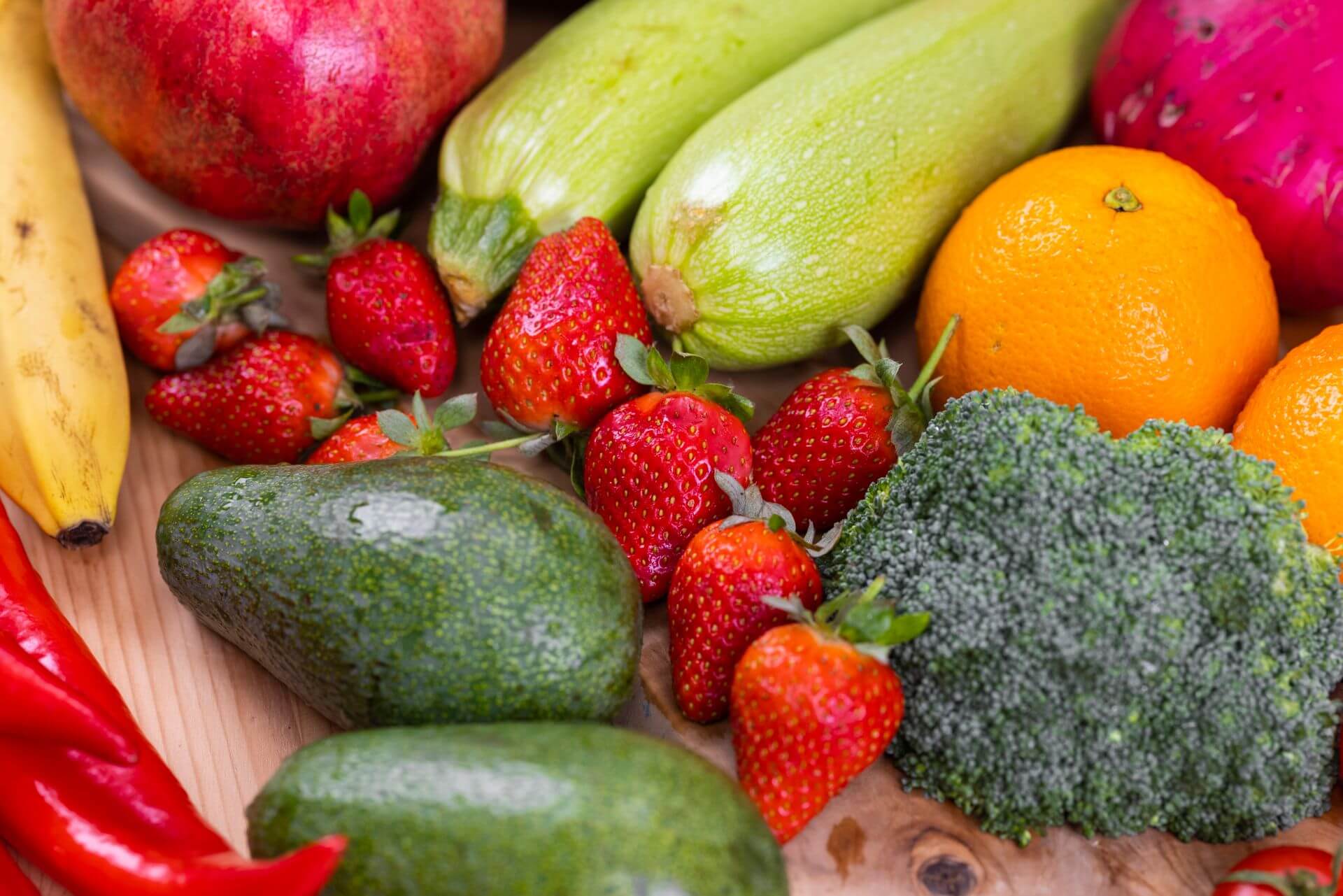
Why is the use of carnauba wax important in Zeracar?
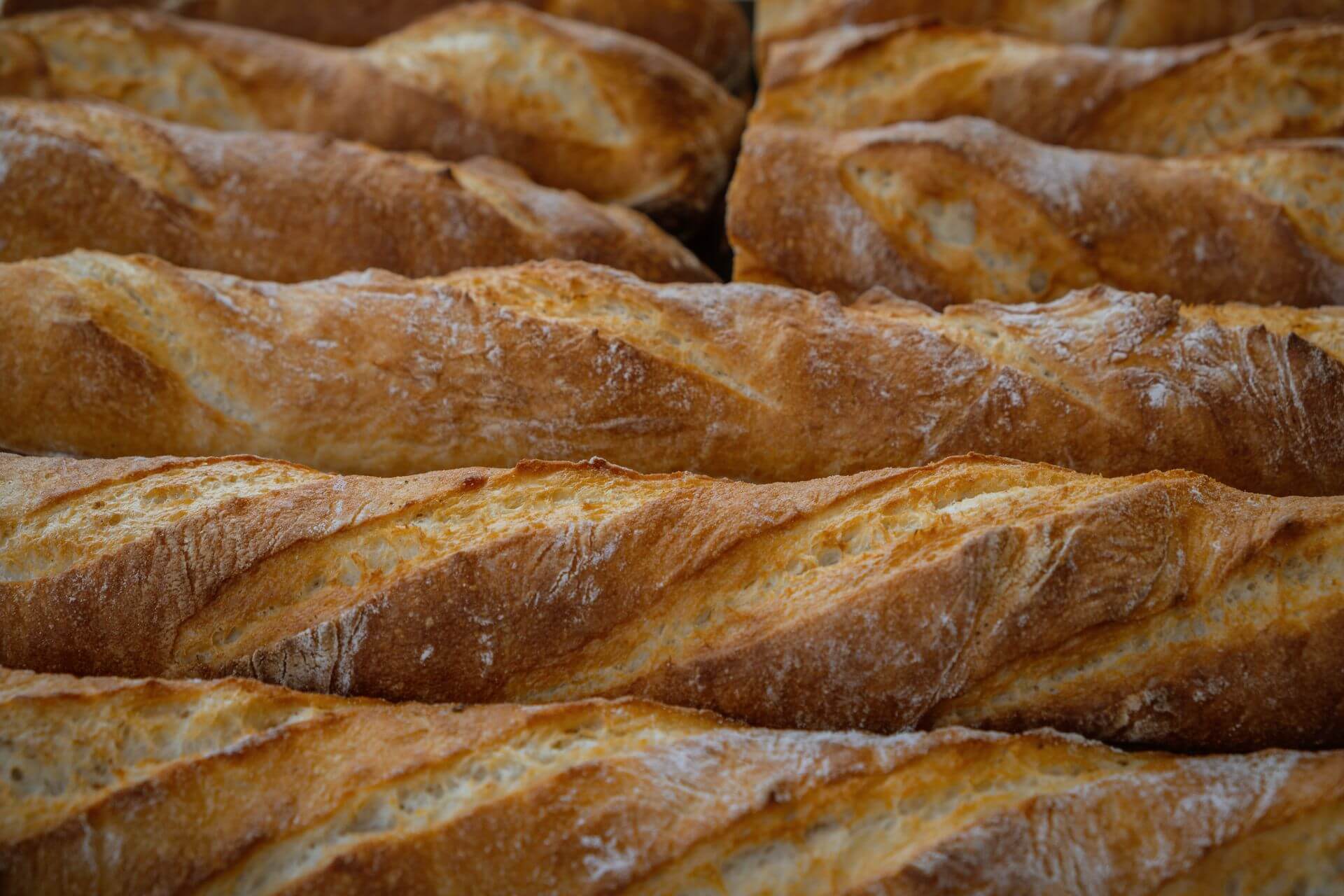
Carnauba wax is recognized as the hardest natural wax and the one with the highest melting point (approximately 85 °C) among commercial natural waxes. It has low solubility and is composed predominantly of aliphatic esters and cinnamic acid diesters, with components that are relatively inert and stable.
These physicochemical characteristics, together with its hardness, give it an exceptional ability to form solid, smooth coatings that improve scratch and abrasion resistance [3].
Main applications in the food industry
Zeracar is designed to meet the needs of the food industry and other sectors that require safe and effective coating. Its food-grade classification allows it to be used as a raw material in food coating and finishing processes, as well as in applications where indirect contact is sought with surfaces that will be exposed to food.
Scientific literature supports a much broader range of applications for this type of carnauba wax emulsion in food, including its use as:
Glazing agent
To provide gloss and protection in confectionery, bakery products, and fruit.
Bulking agent and acidity regulator
In various formulations.
Anti-caking agent
In powdered products.
Carrier
For other ingredients in coatings.
In surface treatment
For multiple functions.
In addition, recent research explores its role in flavor microencapsulation, the preparation of edible films, and the development of superhydrophobic and biodegradable packaging, opening new possibilities for food preservation [3].
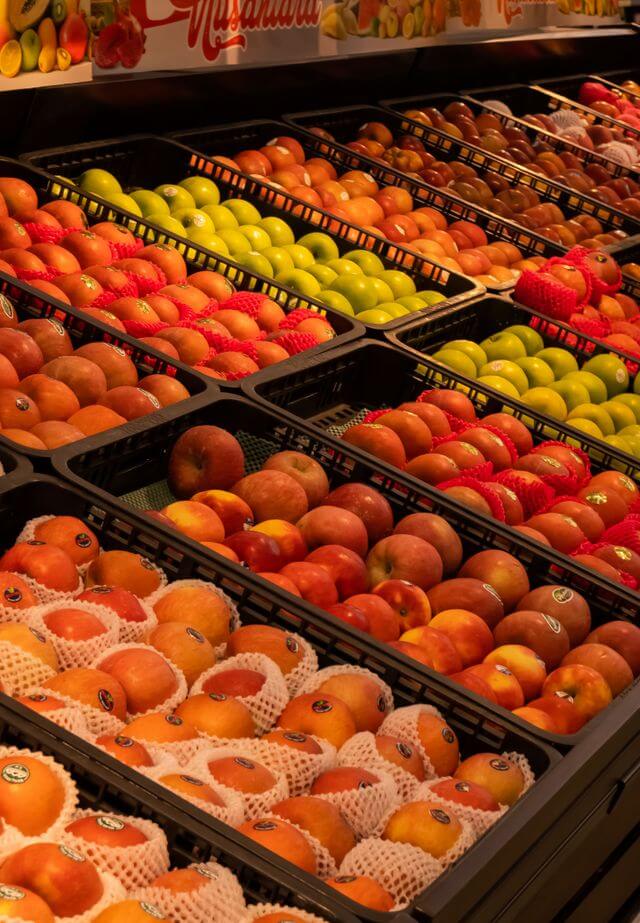
Fruit and vegetable coating
One of the most documented applications of carnauba wax emulsions in the food industry is the coating of fresh fruits and vegetables [1].
Recent studies have shown that carnauba wax nanoemulsions applied to fresh tomatoes can significantly reduce water loss and maintain firmness during storage, while also improving surface gloss and consumer sensory acceptance [4].
Confectionery, bakery, and pastry applications
Carnauba wax is widely used in the confectionery industry to provide gloss and protection to products such as:
Gummies and candies
Provides a glossy finish and helps prevent products from sticking together.
Chocolates
Acts as a glazing agent, improving appearance and protecting against moisture.
Baked goods
Used in glazes and coatings to enhance presentation and extend freshness.
Cheese preserves
Forms a protective layer that helps retain moisture and prevents mold growth.
Commercial interest in carnauba wax continues to expand. Researchers around the world are currently seeking new applications and developing innovative technologies to improve existing ones.
As a food-grade emulsion, Zeracar is positioned as an industrial tool that enables manufacturers to benefit from these scientifically supported properties.

Frequently Asked Questions
What is carnauba wax and what is it used for?
Carnauba wax is a natural vegetable wax obtained from the leaves of the Brazilian palm Copernicia prunifera (also known as Copernicia cerifera). It is recognized as the hardest natural wax and the one with the highest melting point (approximately 82–86 °C) among commercial waxes.
Its chemical composition mainly includes aliphatic esters, fatty acids, and long-chain alcohols. It serves multiple purposes in the food, cosmetics, and pharmaceutical industries. Its main technological functions include:
Coating and glazing agent
Protects foods from drying out, gives them gloss, and preserves their color. It is used on fruits (citrus, apples, pears, mangoes, avocados, papayas, among others), confectionery, chocolates, chewing gum, coffee beans, and nuts.
Anti-caking agent
Prevents clumping in powdered products.
Bulking agent, lubricant, and formulation aid
Improves food texture and processing.
In cosmetics
Used in lipsticks, lip balms, makeup sticks, and other products to provide structure, firmness, gloss, and resistance.
In pharmaceuticals
Used as a coating for tablets and capsules.
Is carnauba wax toxic?
No. Carnauba wax is not considered toxic under authorized conditions of use. It is approved as a safe food additive by major regulatory agencies worldwide. Subchronic toxicity and genotoxicity studies have not shown adverse effects related to its intake.
Is carnauba wax edible?
Yes. It is edible in the sense that it is approved as a food additive for human consumption. However, it is not consumed as food itself, but as a functional ingredient (coating, glaze, etc.) that is ingested together with the food product it coats.
What is carnauba used for on skin?
In the cosmetics industry, carnauba wax is used in skin care products for its structuring, thickening, and film-forming properties. It is primarily used to:
It is considered an inert and safe ingredient, with a very low risk of irritation or allergy.
Is carnauba wax healthy?
It is considered safe for consumption and, therefore, is not harmful to health within the limits established by health authorities. However, its primary function is technological, not nutritional.
What are the side effects of carnauba wax?
Side effects are very uncommon. The main risk described in the literature is the possibility of allergic contact reactions in sensitive individuals, especially in cosmetic products such as lip products. Isolated cases of allergic dermatitis or cheilitis (inflammation of the lips) caused by contact with carnauba wax in balms or lipsticks have been reported [5].
References
- [1] E. Pérez-Portillo, R. Salvador García-Gómez, S. Mendoza-Pérez, M. Del, and C. Durán-Domínguez-De-Bazúa, “Recubrimientos de manzanas amarillas (Malus domestica) de la variedad Golden Delicious: Cera de carnauba y cera de candelilla versus biopolímeros de quitina-quitosana,” Ambiens Techné et Scientia México, vol. 12, no. 2, pp. 179–209, Aug. 2024, Accessed: Aug. 08, 2026. [Online]. Available: https://atsmexico.org/atsm/article/view/186
- [2] G. M. Colavita and L. I. Vita, “Uso de carnauba como recubrimiento en peras para mejorar la vida postcosecha,” Investigación Joven, vol. 10, no. 2, pp. 127–127, Dec. 2023, Accessed: Aug. 08, 2026. [Online]. Available: https://revistas.unlp.edu.ar/InvJov/article/view/16203
- [3] C. A. S. de Freitas, P. H. M. de Sousa, D. J. Soares, J. Y. G. da Silva, S. R. Benjamin, and M. I. F. Guedes, “Carnauba wax uses in food – A review,” Food Chem., vol. 291, pp. 38–48, Sep. 2019, doi: 10.1016/J.FOODCHEM.2019.03.133.
- [4] M. Miranda et al., “Carnauba wax nanoemulsion applied as an edible coating on fresh tomato for postharvest quality evaluation,” Heliyon, vol. 8, no. 7, p. e09803, Jul. 2022, doi: 10.1016/J.HELIYON.2022.E09803.
- [5] F. Alrowaishdi, S. Colomb, B. Guillot, and N. Raison-Peyron, “Allergic contact cheilitis caused by carnauba wax in a lip balm,” Contact Dermatitis, vol. 69, no. 5, pp. 318–319, Nov. 2013, doi: 10.1111/COD.12108.
Legal Notice and Limitation of Liability
This document and all content included herein are strictly informational and educational in nature. Its purpose is to provide a general overview of Zeracar Emulsion (Food Grade) and its applications in the food industry.
The information contained herein does not constitute technical advice or a recommendation for the use of any specific product. The decision to use, dose, or incorporate Zeracar into a production process is the sole responsibility of the user, manufacturer, or final formulator, who must have the technical knowledge, infrastructure, and qualified personnel required to carry out such operations safely and in compliance with applicable regulations.
For any real-world application, it is essential to consult and strictly follow the Technical Data Sheet and Safety Data Sheet / MSDS for the product in question, as provided by the manufacturer or authorized supplier. These documents contain the purity specifications, storage conditions, recommended dosages, handling warnings, and use restrictions that must be followed.
Why Partner With Us
30 Years Focused on Chemical Excellence
Backed by quality certifications, reliable logistics, and a comprehensive chemical portfolio tailored to your industry.

KOSHER
Certified

Agile
Reformulation

Permanent
Stock

Full Regulatory
Compliance

Technical
Sustainability

Organized
Logistics

Specialized
Consulting
